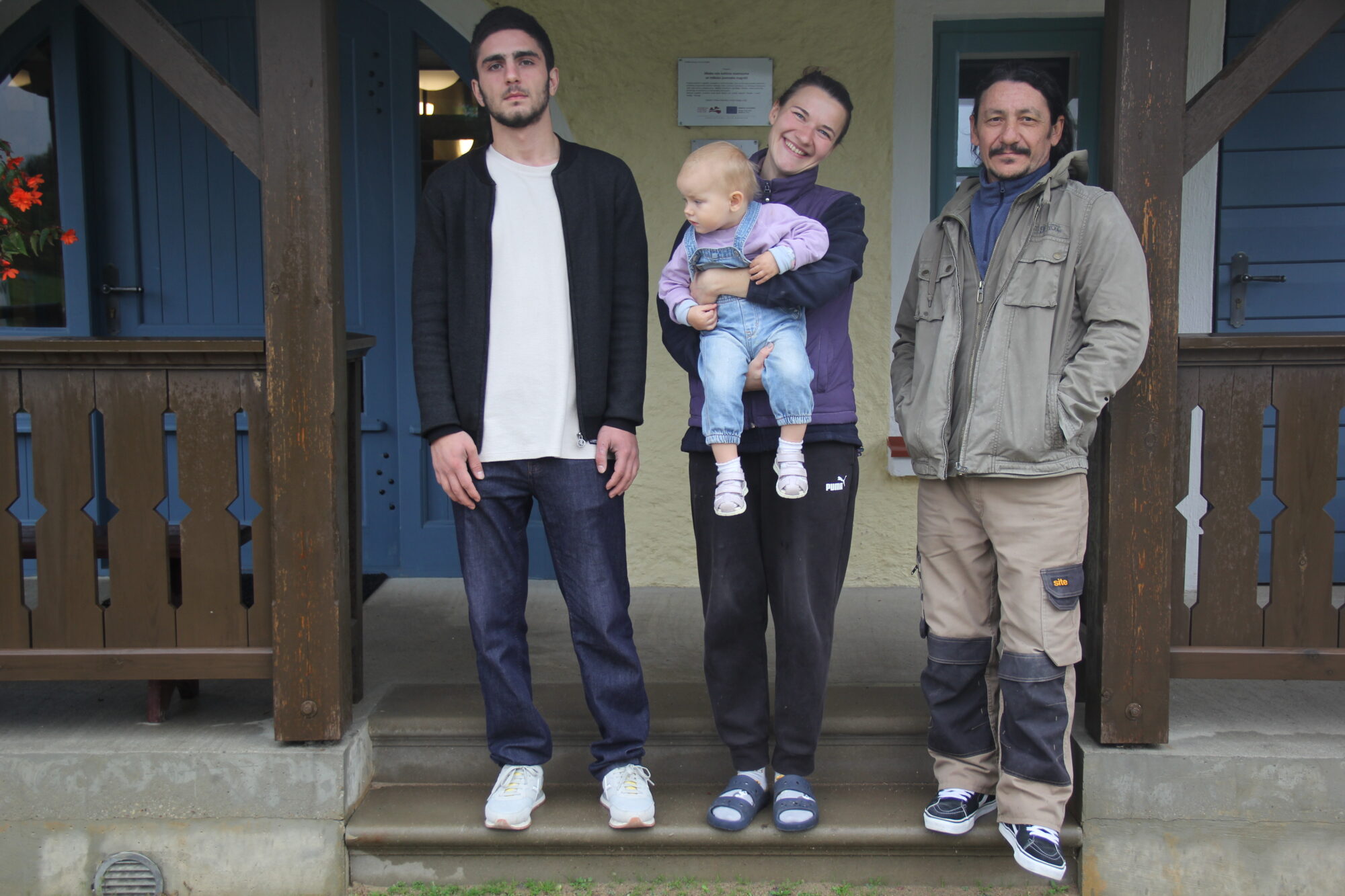
From 3 September to 28 September 2026, the 2nd International Stone Sculpture Symposium “Stone as a Cultural Symbol” took place at Pedvāle Art Park; as part of the event, three sculptors created granite sculptures for the park’s permanent
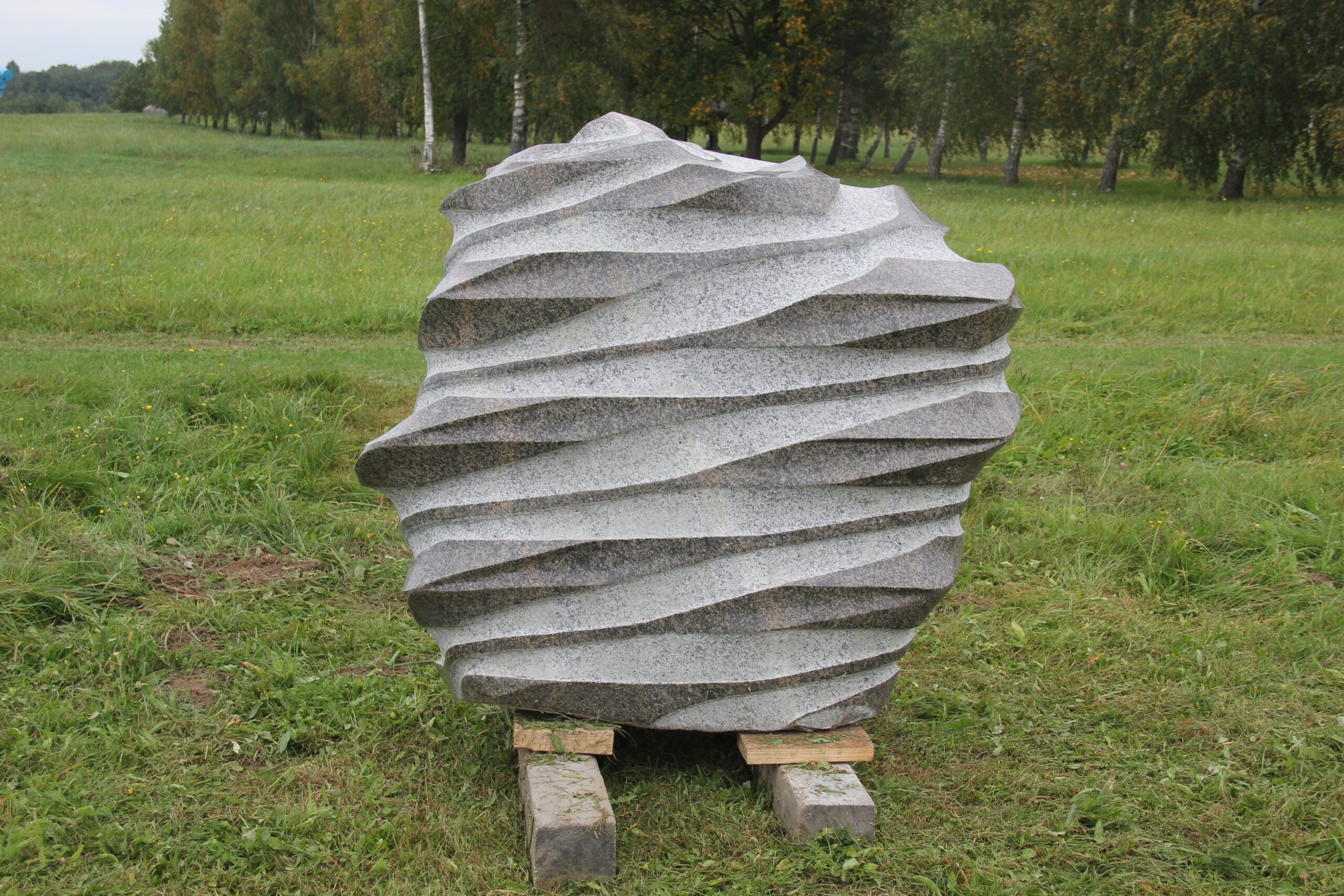
Jonathan Mencarelli (French Polynesia) created the sculpture “ENANA”. Mencarelli explains: “ENANA” means ‘human being’ or ‘person’ in the Marquesan language. ENANA is also an ancient traditional tattoo motif originating in the Marquesas Islands of French Polynesia. It symbolises the human being in all their diversity. The motif can be used on its own, arranged in a frieze, or combined into groups to symbolically represent a family, team or community. It exists in numerous variations. Tattooing holds a special and profound significance in Polynesian culture. The Tahitian word tatau itself gave rise to the French word tatouage and the English word tattoo. Traditionally, tattoos permanently recorded a person’s history, origins, geographical affiliation, social and family status, and many other important aspects of their life. Today, these ancient systems of symbols continue to be used by a number of recognised and respected tattoo artists.
In the sculpture “ENANA”, which I created for the International Art Symposium at Pedvāle in Latvia, I have used numerous ENANA motifs. Together, they form a collective of human figures that swirl dynamically around a central stone, as though it were the core of the entire composition. The effect is as if the rock itself had been tattooed. The stone’s natural, original form has been preserved and respected. The structure of the sculpture follows its natural contours rather than denying them. Here, the traditional ENANA symbol is extended into a new, contemporary dynamic to reflect our times.
At first glance, the sculpture may appear geometric and abstract. Yet behind its visual form lies a much deeper symbolic meaning: the ancient symbol inscribed into the stone becomes a living, dynamic form – a bridge between cultural heritage and contemporary experience, between what has been and what is still taking shape.”
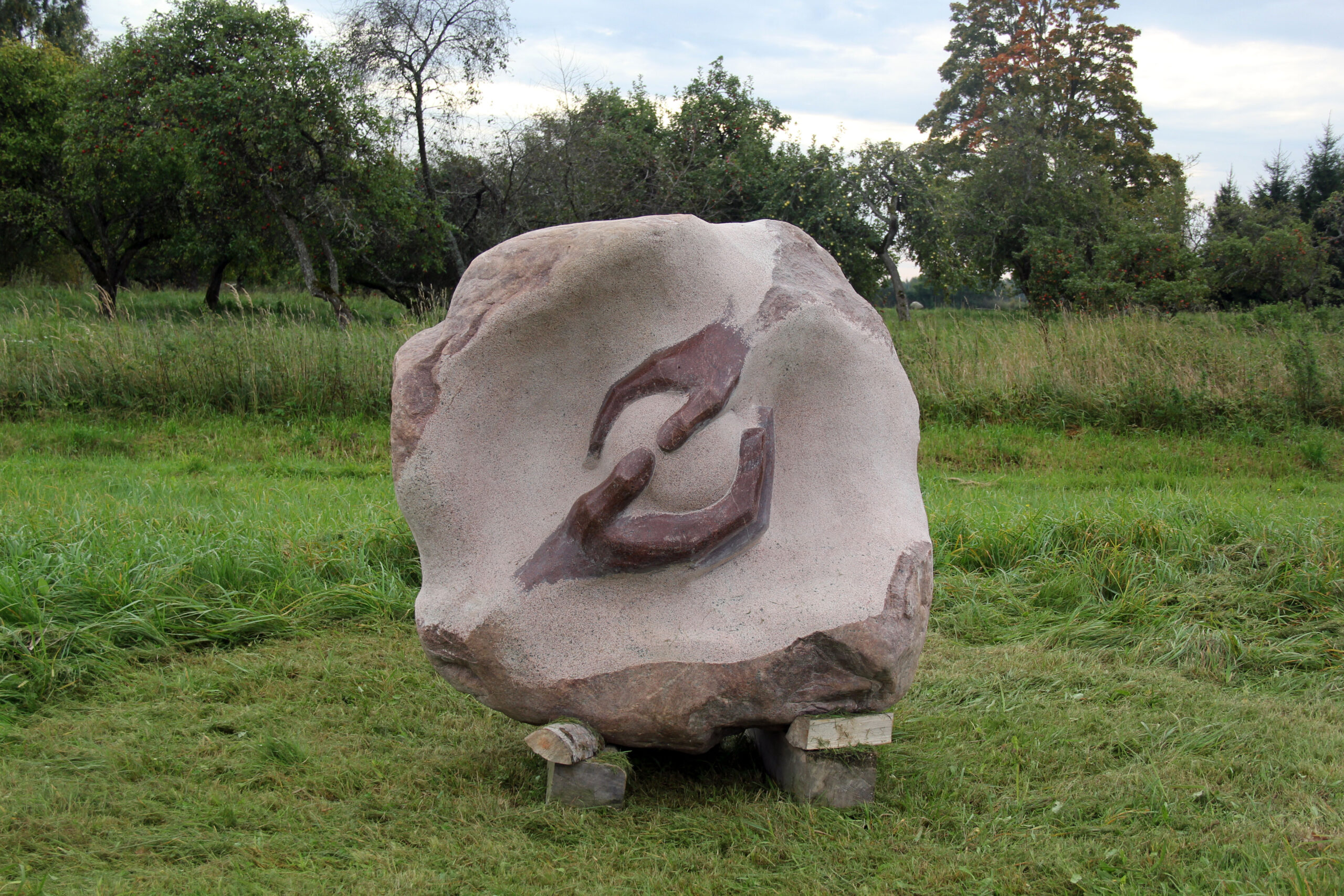
Rafayel Sargsyan (Armenia) created the sculpture “Empathy and Love”. R. Sargsyan explains: “This project is deeply personal to me. The sculpture captures a moment of human connection and vulnerability. At the heart of the composition are two expressive hands clasped in a firm embrace, conveying deep empathy, care and compassion. Their surfaces have been polished to emphasise their softness, sensitivity and emotional presence.”
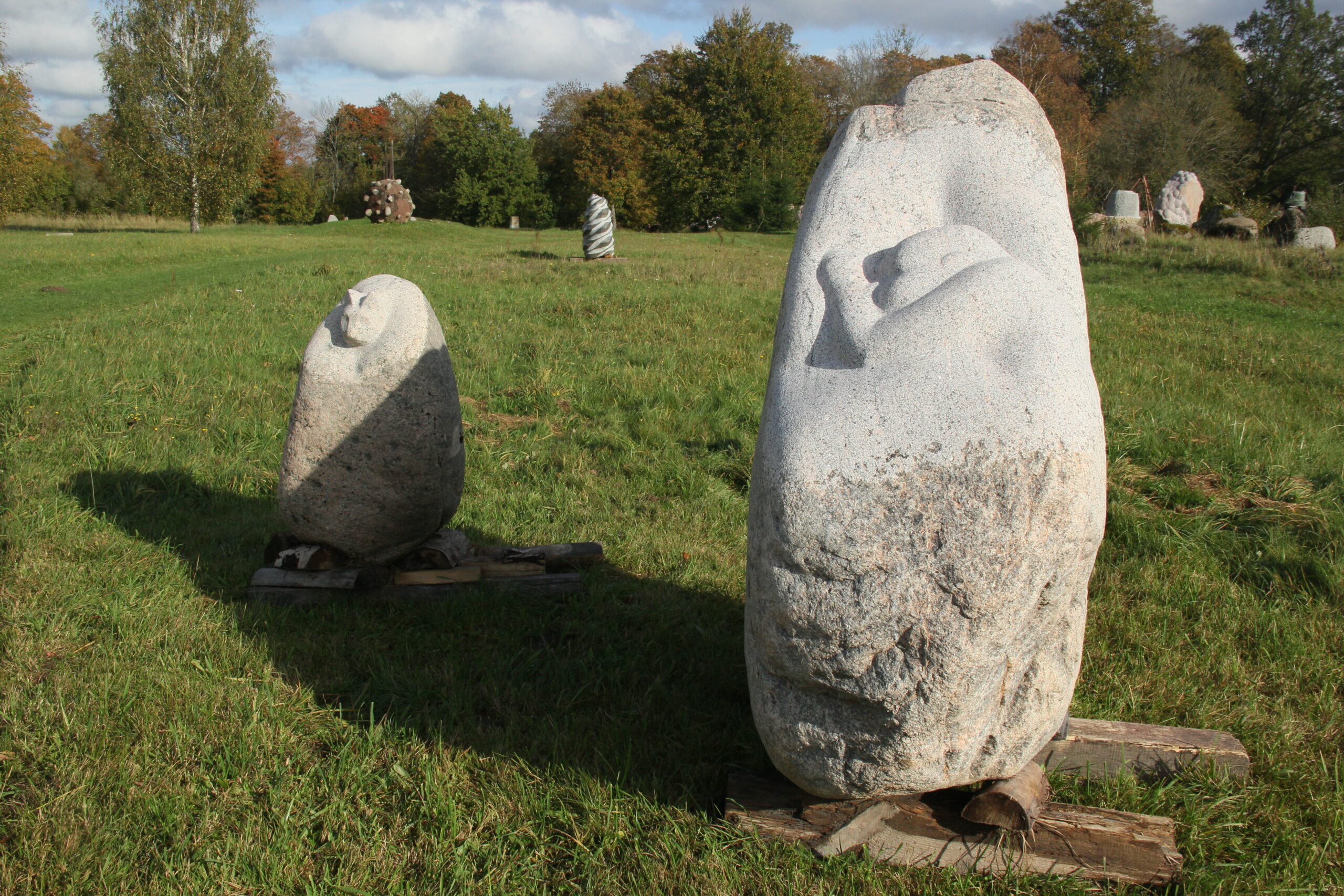
Rūta Patmalniece (Latvia) created the two-part composition “Stone as a Mother Cradling Life”. R. Patmalniece explains: “The boulder embodies the figure of a mother, while the child represents life. The natural form interacts with the human-made figure of a baby, which seems to nestle against its mother’s breast. The surface has been worked as a continuation of the stone’s outer shell, creating the impression that the two share the same skin. The mother cradles her baby, rocking the child to sleep and offering comfort. This gesture embodies movement as the prime mover in the emergence of new life. The work reflects my thoughts on motherhood and it is a tribute to the period of breastfeeding my daughter. The smaller stone has been shaped like a cat. ‘Cat’ was one of my daughter’s first words and served as a way of referring to a living being.”
The symposium was made possible with financial support from the Ministry of Culture of the Republic of Latvia.